Best Music for Deep Sleep: Tempos, Styles, Tips
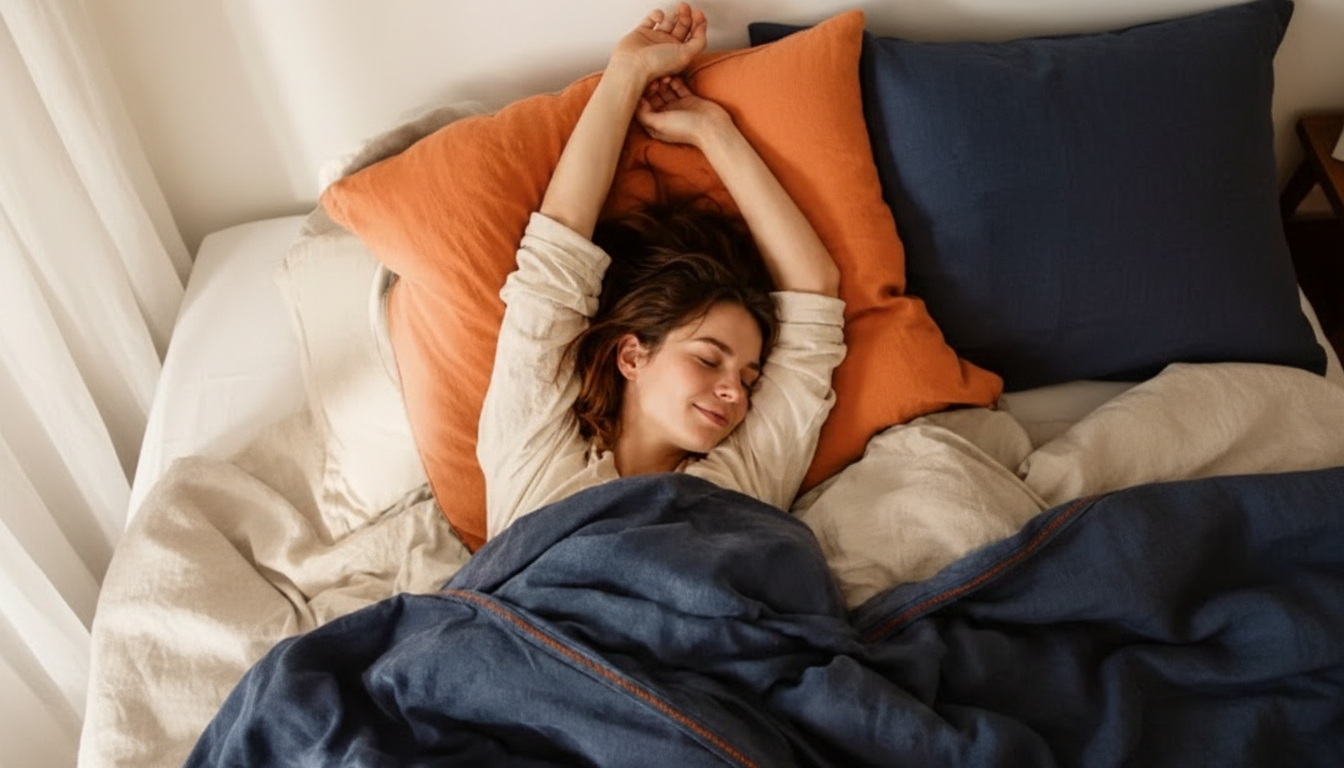
What is the best music to listen to for deep sleep?
The best music for deep sleep is slow, steady, and predictable—audio that helps the brain downshift without sudden changes that can keep you alert. Most people fall asleep more easily with music around 60–80 beats per minute (or slower), soft volume, and minimal lyrics. Think ambient soundscapes, gentle piano, low-tempo classical, or “sleep music” designed with sustained tones and gradual transitions.
Top music styles that support deep sleep
Ambient and drone music works well because it avoids sharp starts and stops. Long, smooth pads and subtle textures can encourage relaxation without pulling attention to a melody.
Soft instrumental piano or guitar can be ideal if it’s simple and slow. Choose tracks with consistent dynamics (no big crescendos) so your nervous system stays calm as you drift off.
Classical music (select pieces) can help when it’s gentle and steady—think slower movements and quieter compositions. Avoid dramatic symphonies or anything with sudden percussion.
Binaural beats or isochronic tones may help some listeners, especially at low volumes. If they feel distracting or cause tension, skip them and use ambient or nature-based sound instead.
What to avoid if you want deeper sleep
Skip music with frequent tempo changes, heavy bass drops, loud vocals, or emotionally intense lyrics. Even if it feels soothing at first, active listening can keep the mind engaged and make awakenings more likely.
How to use sleep music effectively
Set the volume low—quiet enough that it blends into the room. Use a sleep timer (30–90 minutes is a common range) to prevent tracks from looping all night. If you wake up easily, choose music with seamless transitions or a single long track to reduce abrupt changes.
For more ideas and examples of what tends to work best, visit the main guide here: What is the best music to listen to for deep sleep?
FAQ
Should you sleep with music on all night?
It depends on how sensitive you are to sound changes. Many people sleep best using a timer so music fades out after they fall asleep, reducing the chance of disrupted sleep cycles later in the night.










Leave a comment