How to Calm Down Anxiety Fast: 5 Simple Steps
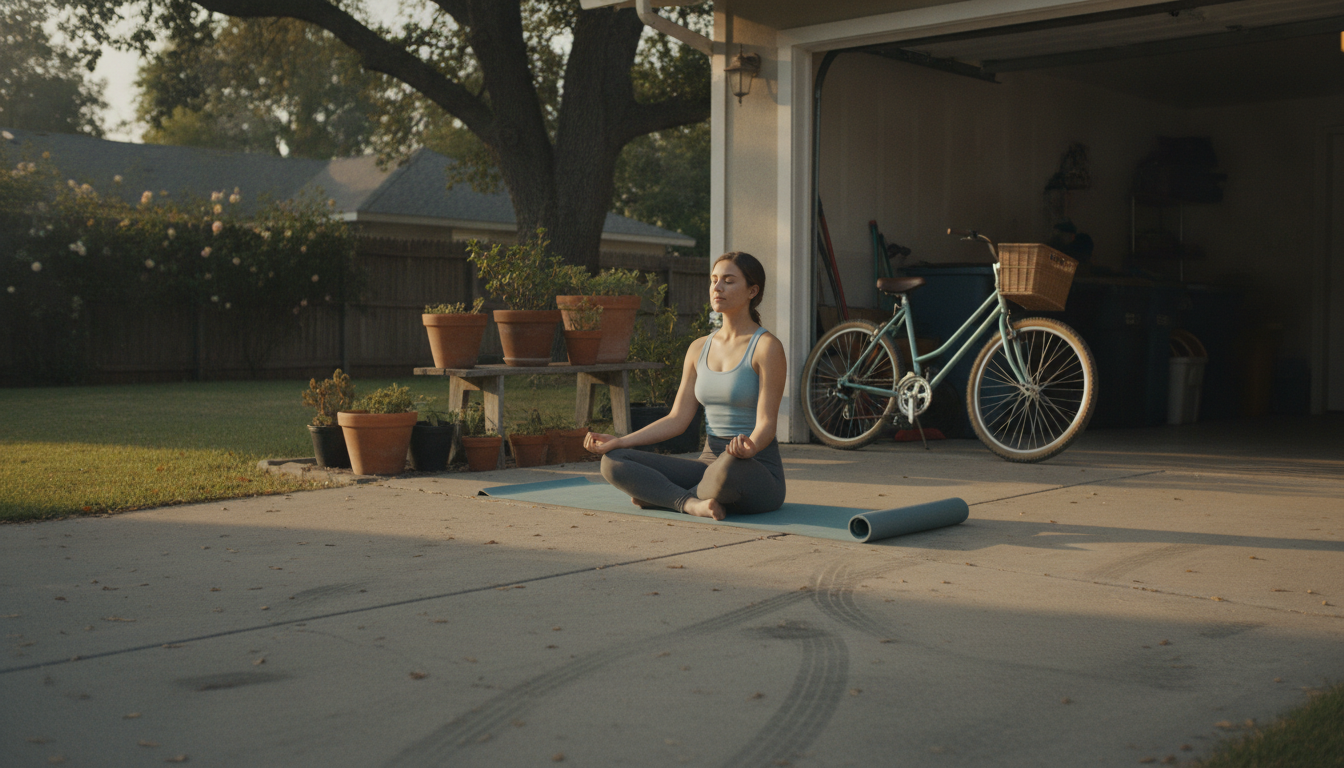
How to calm down anxiety?
When anxiety spikes, the goal is to signal safety to your nervous system and give your mind something steady to focus on. Start with a quick reset: place one hand on your chest, one on your belly, and take five slow breaths. Inhale through your nose for a count of four, pause for one, exhale for a count of six. Longer exhales help your body shift out of “alarm mode.”
Try a fast grounding routine
If thoughts are racing, use the 5-4-3-2-1 technique: name 5 things you can see, 4 you can feel, 3 you can hear, 2 you can smell, and 1 you can taste. This pulls attention away from worry loops and back into the present moment.
Release tension from your body
Anxiety often shows up physically. Do a quick body scan from forehead to toes and unclench what you notice—jaw, shoulders, hands, stomach. Then try a 30-second “tighten and release”: squeeze your fists and shoulders for 5 seconds, then let go completely. Repeat twice.
Use simple, steady self-talk
Swap catastrophic thoughts for a neutral script you can repeat: “This is anxiety. It’s uncomfortable, but it will pass.” Pair it with a small, doable next step—drink water, step outside for fresh air, or sit down and put both feet on the floor.
Reduce stimulants and add calming inputs
If possible, avoid more caffeine or nicotine during a spike. Instead, try a calming sensory cue: a warm drink, a cool washcloth on your face, or a slow walk. Gentle movement can burn off stress hormones and settle jittery energy.
For more step-by-step techniques and longer-term strategies, visit this guide on how to calm down anxiety.
FAQ
What are signs that anxiety might be a panic attack?
Panic attacks often peak quickly and can include a pounding heart, shortness of breath, shaking, chest tightness, dizziness, or a sense of impending doom. If symptoms feel severe, new, or like a medical emergency, seek urgent medical care.










Leave a comment