Relaxed vs Stressed Cat Posture: Body Language Signs
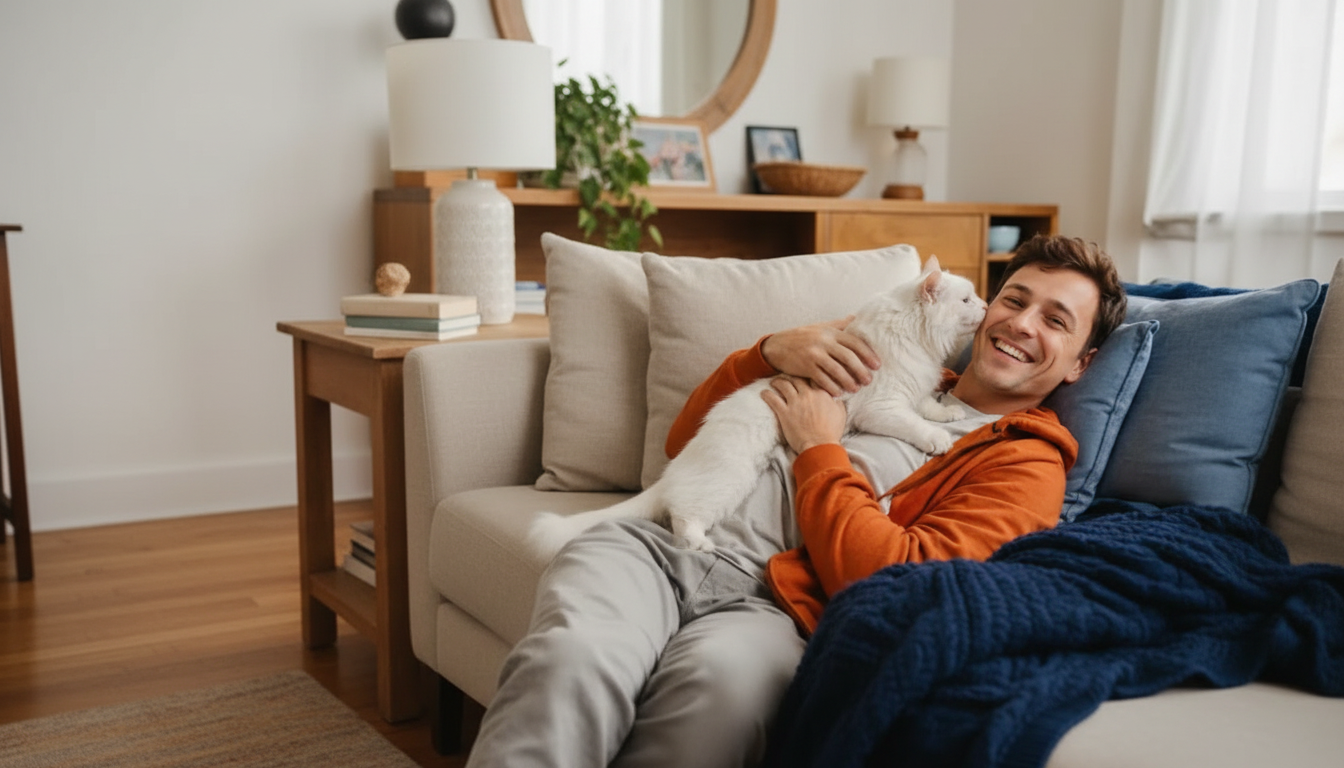
How can you tell if a cat is relaxed or stressed based on body posture?
A cat’s posture is a fast, reliable clue to how safe or threatened they feel. Look at the whole “body picture”—muscles, tail, ears, eyes, and how much space they’re trying to take up or give away.
Signs a cat is relaxed
A relaxed cat looks loose and comfortable, with no sharp angles or rigid tension. Common postures include lounging on their side or sitting with a gently curved back and weight evenly distributed.
Typical relaxed cues: ears facing forward or slightly to the side, soft eyes (slow blinks are a great sign), whiskers resting naturally, and a tail that’s still or softly swaying. Many cats will rest with paws tucked (“loaf”) or stretch out fully when they feel secure.
Signs a cat is stressed, fearful, or overstimulated
Stress shows up as tension, guarding behavior, or an attempt to escape. The cat may make their body smaller to avoid attention—or suddenly make themselves look bigger to warn you off.
Common stressed postures: crouching low with muscles tight, leaning away, freezing in place, or hunching with the head pulled down. Ears may flatten sideways (“airplane ears”) or pin back; eyes can look wide with enlarged pupils; whiskers may push forward stiffly. The tail is often a giveaway: tucked under, lashing back and forth, puffed up, or held rigid.
“Big” defensive posture vs. “small” hiding posture
When a cat feels trapped, they may arch their back, puff their fur, and stand sideways to appear larger. When they want to disappear, they’ll crouch, curl, or try to back into a corner—often with minimal movement and a hard stare.
What to do if posture signals stress
Give space, reduce noise and handling, and offer an exit route or hiding spot. If tense posture is frequent or paired with appetite, litter box, or grooming changes, a vet check can help rule out pain.
For a deeper breakdown of relaxed vs. stressed cat body language, visit the main article.
FAQ
What does it mean when a cat’s tail is flicking or thumping?
A flicking or thumping tail usually signals irritation, high arousal, or conflict—especially if the rest of the body looks tense. It’s often a cue to pause petting and give the cat more space.











Leave a comment